EN 61482-2
PROTECTIVE CLOTHING AGAINST THERMAL HAZARDS FROM ARC FAULTS
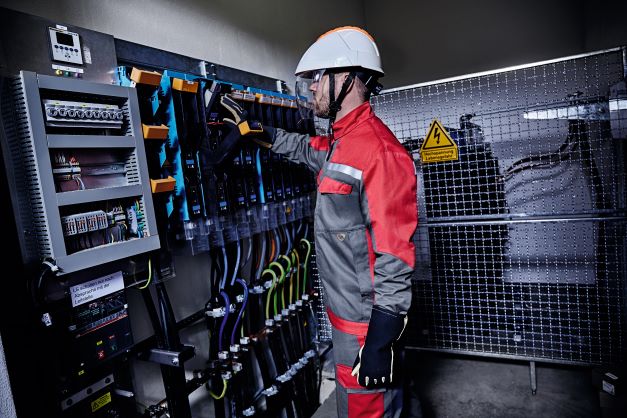
The consequences of an arc fault for those affected are serious and can even be fatal in extreme cases. In the light column of the arc, the temperature briefly exceeds 9,000 degrees Celsius, which is almost twice as high as on the surface of the sun. The current reaches values of several kiloamperes (kA).
Even electric shocks of less than one hundred milliamperes (mA), as they come from a standard household socket, can be life-threatening for a person. The great heat and high currents are accompanied by a pressure wave that expands rapidly and can hurl all parts of the system and people away with its enormous force.
And the dangers don't stop there: The electromagnetic radiation from the arc fault can cause serious damage to the skin and eyes, and the toxic gases produced by the combustion can cause chemical burns and poisoning in humans.
Click here to go directly to PROTECTIVE CLOTHING ACCORDING TO EN 61482-2!
Questions and answers on EN 61482-2 (formerly IEC 61482-2)*
What is EN 61482-2?
Protective clothing that meets the requirements of this standard protects wearers against the thermal effects of a defined electric arc and prevents further burning. The clothing also protects wearers from heat. The heat may be convective, radiant, liquid metal splash or a combination of these.
What arc protection classes are there?
What are the test parameters for the box test?
Protection class 1:
- 0.5 seconds
- Short-circuit current: 4 kA (kiloampere)
- Electric arc energy: 158 kJ
- Impact energy: 135 kJ/m²
- 0.5 seconds
- Short-circuit current 7 kA (kiloampere)
- Electric arc energy: 318 kJ
- Impact energy: 423 kJ/m²
What is the Stoll curve?
The Stoll curve defines the threshold for second-degree burns within a temperature/time/incident energy scheme.
In the box test, the temperature on the back side of the sample is measured, displayed as a curve and compared with the Stoll curve.
- If the determined curve lies above the Stoll curve, there is a risk of second-degree burns.
- If the measured curve lies below the Stoll curve, there is no risk of second-degree burns.
Open arc test method (EN 61482-1-1)
The open arc test method determines the arc thermal performance value (ATPV), the incident energy limit (ELIM) and the energy breakopen threshold (EBT50) of the material on the basis of the Stoll curve.
- ATPV - The ATPV is the maximum thermal energy that arc flash protective clothing can withstand, at which the wearer has a 50% probability of suffering second-degree burns.
- ELIM - The ELIM value is the maximum thermal energy at which the probability of the wearer suffering second-degree burns is 0%.
- EBT50 - The EBT50 value is the incident energy at which the protective clothing has a 50% probability of breaking open.
What properties must clothing compliant with DIN EN 61482 have?
Outerwear should have long sleeves and fully cover the body up to the neck.
- Fasteners must be designed so that they can still be opened easily even after exposure to an arc flash.
- Protective seams must be made with permanently flame-retardant thread.
- Metal parts must be completely covered – both on the outside and the inside.
- The same protection requirements must be met throughout the front area as well as around the sleeves.
- All external components of a garment must be made of thermally arc-resistant material.
What is the protective effect of EN 61482?
What are the areas of application of the EN 61482-2 standard?
The EN 61482-2 standard primarily relates to occupational safety in the electrical industry: The standard is particularly relevant for working environments in which electricians, electrical engineers or other professionals work in the vicinity of electrical systems that harbour the risk of an arc flash.
Typical industries for this are:
- Utilities & Public Utilities,
- Electrical installation, electrical trades, electroplating,
- processing industry,
- transport of hazardous goods,
- chemical industry,
- plant construction, mechanical engineering,
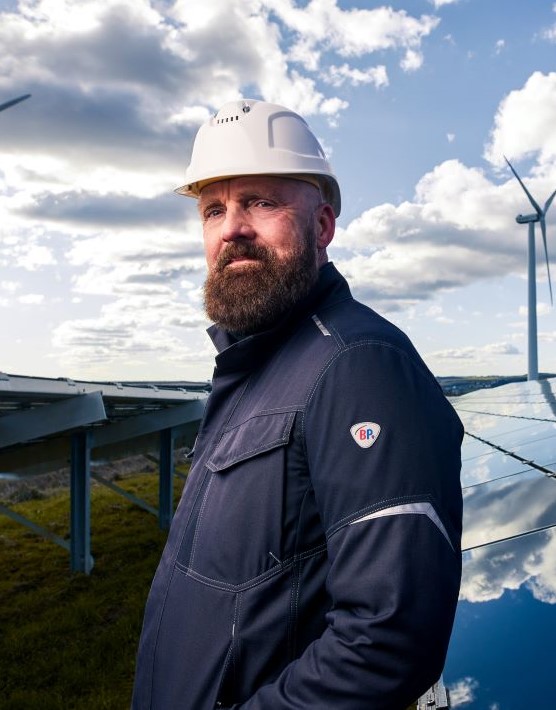
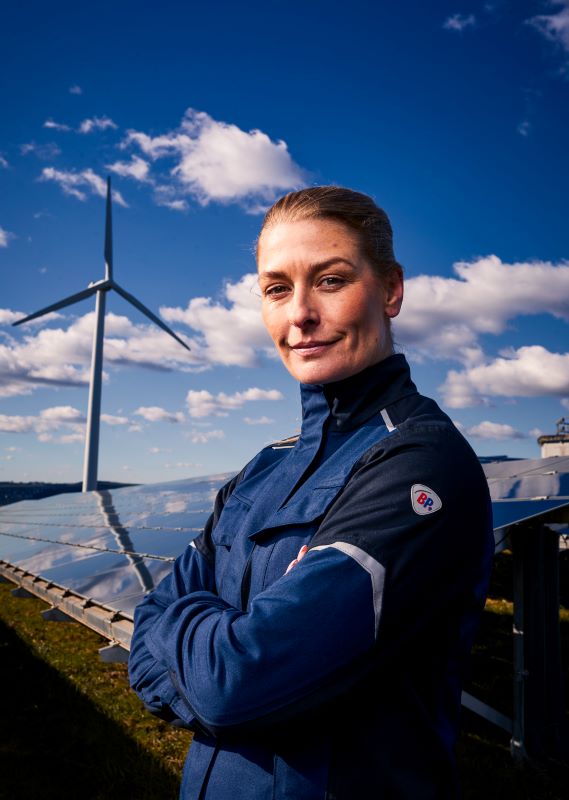
- solar plants, wind turbines,
- combined and network fitters.
Box test according to EN 61482: What happens when an electric arc fault occurs?
Work jackets according to EN 61482-2
You will find a small selection of standard-compliant protective clothing here.


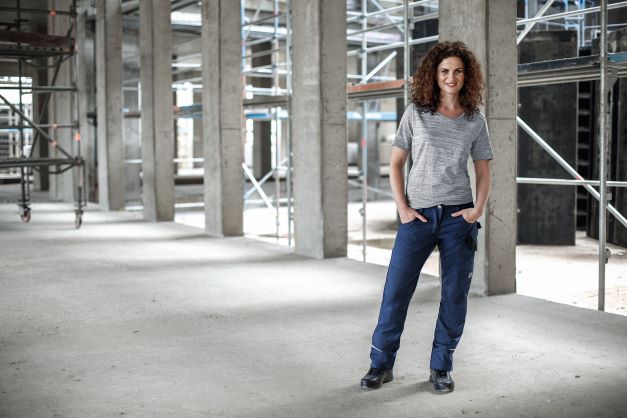
Work trousers according to EN 61482-2
You will find a small selection of standard-compliant protective clothing here.


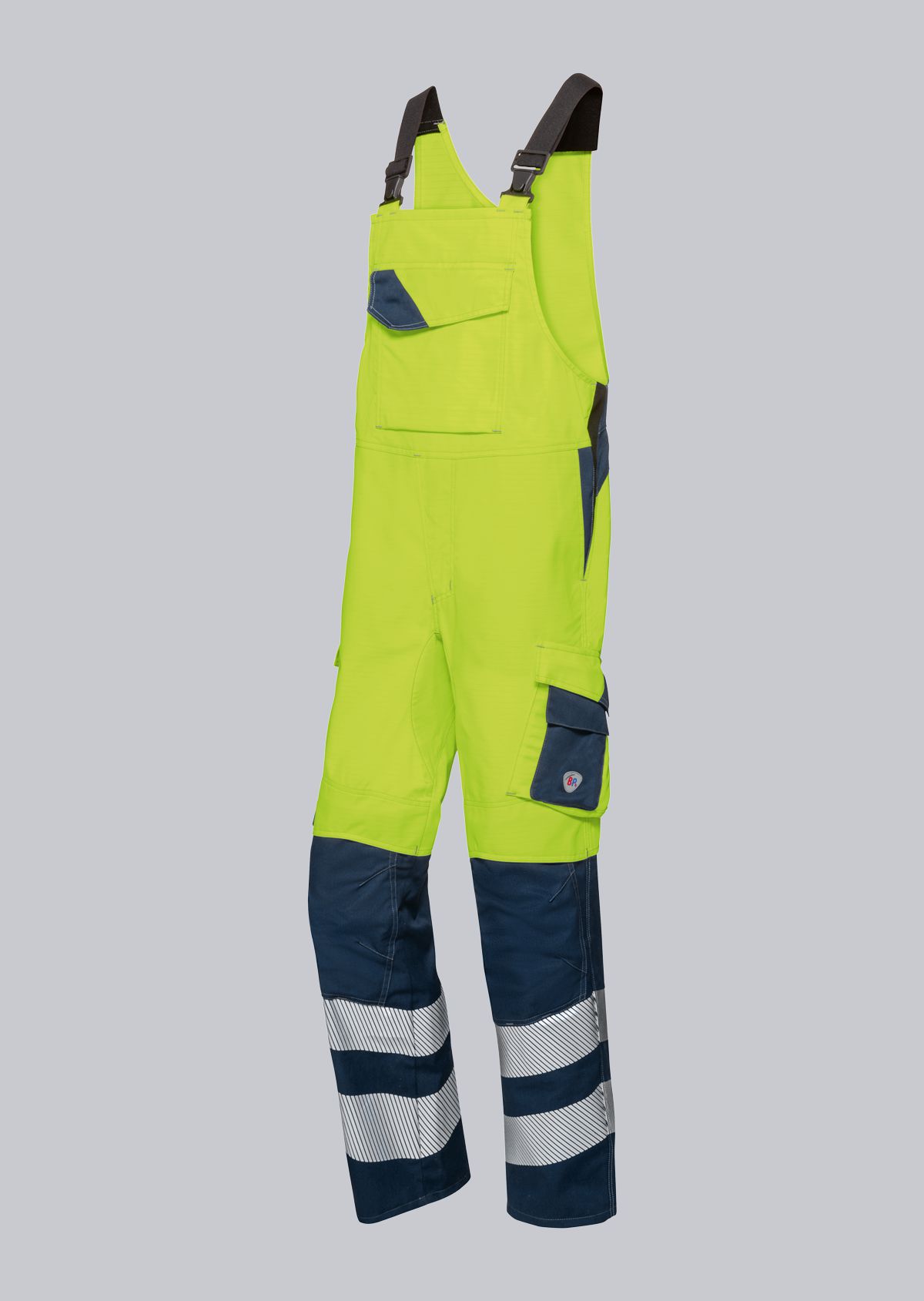
Bib & Braces according to EN 61482-2
You will find a small selection of standard-compliant protective clothing here.




.jpg?ts=1745392736)
.jpg?ts=1745392597)
.jpg?ts=1745392721)
.jpg?ts=1745392618)