What is the difference between EN 17353 Type A and EN 17353 Type B?
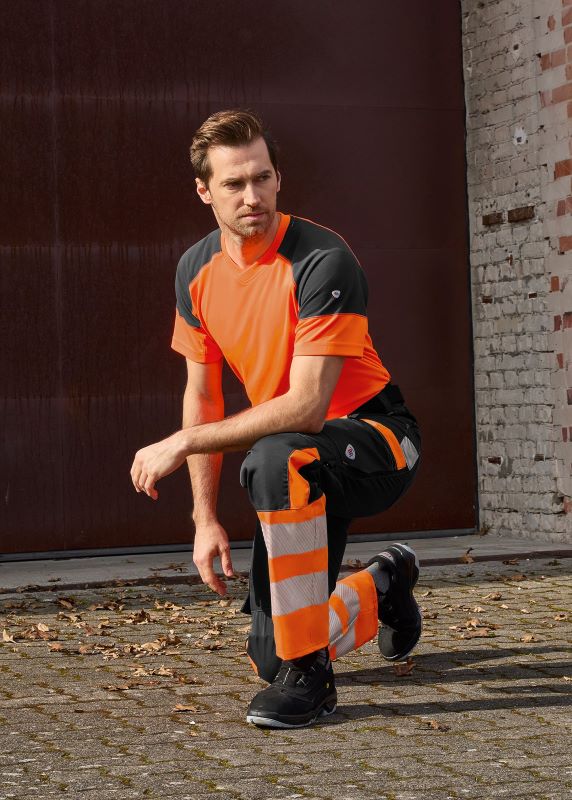
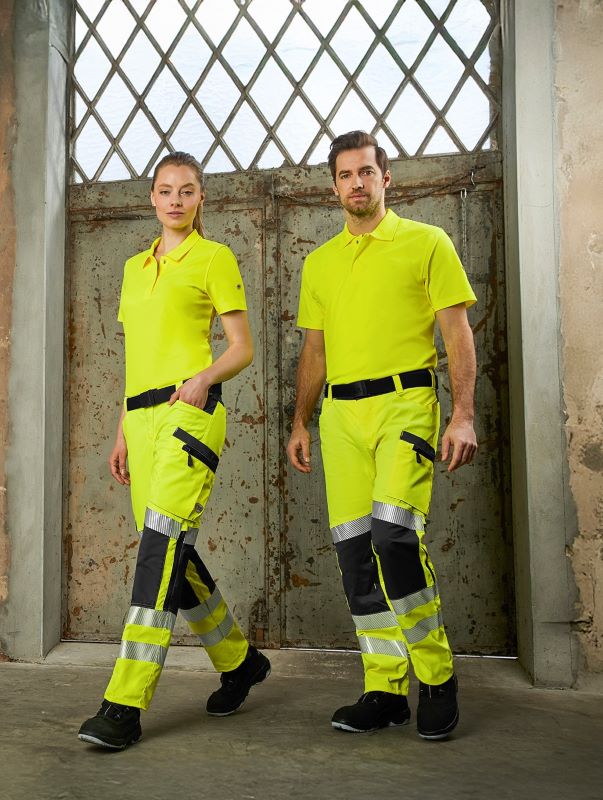
EN 17353 Type A applies to situations with a medium level of risk in all daylight conditions. Daytime visibility is ensured by fluorescent background material. All BP® garments for enhanced visibility comply with Type A.
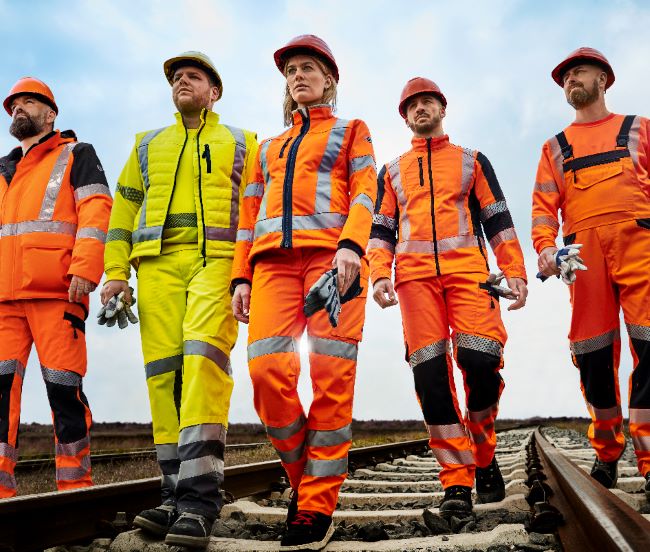
EN 17353 Type B applies to situaions with a medium level of risk when illuminated by vehicle headlights or searchlights in the dark. Night-time visibility is ensured by retroreflective material on all limbs. The reflective strips must be at least 20 mm wide. BP® offers compliant branding (application of reflective strips) for BP® garments for enhanced visibility.
Which areas is workwear compliant with EN 17353 suitable for?
Workwear compliant with EN 17353 is useful in all working environments where garments with signalling properties increase safety, without high-visibility clothing (EN ISO 20471) being required. Many companies do not need to meet the requirements of EN ISO 20471, but still want workwear for their employees that is equipped with additional elements for improved visibility.
For example, for logistics operations, industry or municipal services, EN 17353 is a good alternative, as it significantly improves visibility
at dusk, in poor lighting and in restricted visibility conditions.
*As this is a shortened summary of binding occupational safety standards, this article does not claim to fully reproduce all requirements defined in the standards. Although this article is regularly revised by our experts, we do not accept any liability for the timeliness or accuracy of the information.
Author of this technical article
Pauline Holstein
Product Manager at Bierbaum-Proenen (BP) and PPE expert
Pauline Holstein is a Product Manager at Bierbaum-Proenen (BP) and specialises in protective clothing and personal protective equipment with increased requirements for visibility and safety.
In this article, she explains the requirements of EN 17353 for protective clothing for medium-risk situations – particularly with regard to visual signalling, material requirements and use in areas where high-visibility clothing in accordance with EN ISO 20471 is not required.
In doing so, she provides insights into the development of practical PPE solutions by BP for a wide range of applications with increased visibility requirements.