Skip to main content Skip to search Skip to main navigation
Highest Quality ‒ English speaking customer service ‒ Short delivery times
Dealers
Banner with employees in BP® protective clothing (PPE).
Workwear vs. Protective Clothing (PPE)

What is the difference between workwear and protective clothing?

Workwear and protective clothing (PPE) are used every day at work. But what are the differences between these two types of clothing? And in which professional fields are they used? Below, we explain the terminology in more detail.

In the table below, we have summarized the most important differences between workwear and protective clothing.

Feature Workwear Protective clothing
General use In many professions, e.g. trades & industry, hospitality, workwear in healthcare, etc. In working environments with potential hazards, e.g. electrical trades, construction, traffic/road work, chemical parks, and also relevant as medical protective clothing (surgical gowns, gloves, infection prevention).   
Function Emphasis on comfort, functionality and outward appearance (the company’s “business card”) Main focus on protection and personal safety; however, modern PPE is increasingly also placing more value on comfort and design.
Provision Workwear does not have to be provided free of charge by the employer. Protective clothing must be provided free of charge by the employer. It must be worn by the employee.
Protective function Protection against damage and (to a limited extent) weather conditions Protection against hazards such as electric arc, welding spatter, chemicals, ignitable discharges in explosive atmospheres, heat, wind/rain or cold. There are additional protective functions not listed here. Increased visibility.  
Standards and regulations Less strict legal requirements. At BP, many items are suitable for industrial laundering according to EN 15797. Protective clothing must comply with standards and regulations. These include DIN EN 343, EN ISO 20471, EN 14058, EN 1149-5, EN ISO 11611, EN ISO 11612, EN 14404, EN 61482-2, UV-Standard 801, etc.
Care and cleaning Usually also washable at home. Special care and cleaning requirements to maintain the protective function. Therefore, using a service provider (textile leasing company or industrial laundry) is recommended.

Would you like to learn more about the use and application areas of workwear and protective clothing? Click here for personal consultation.


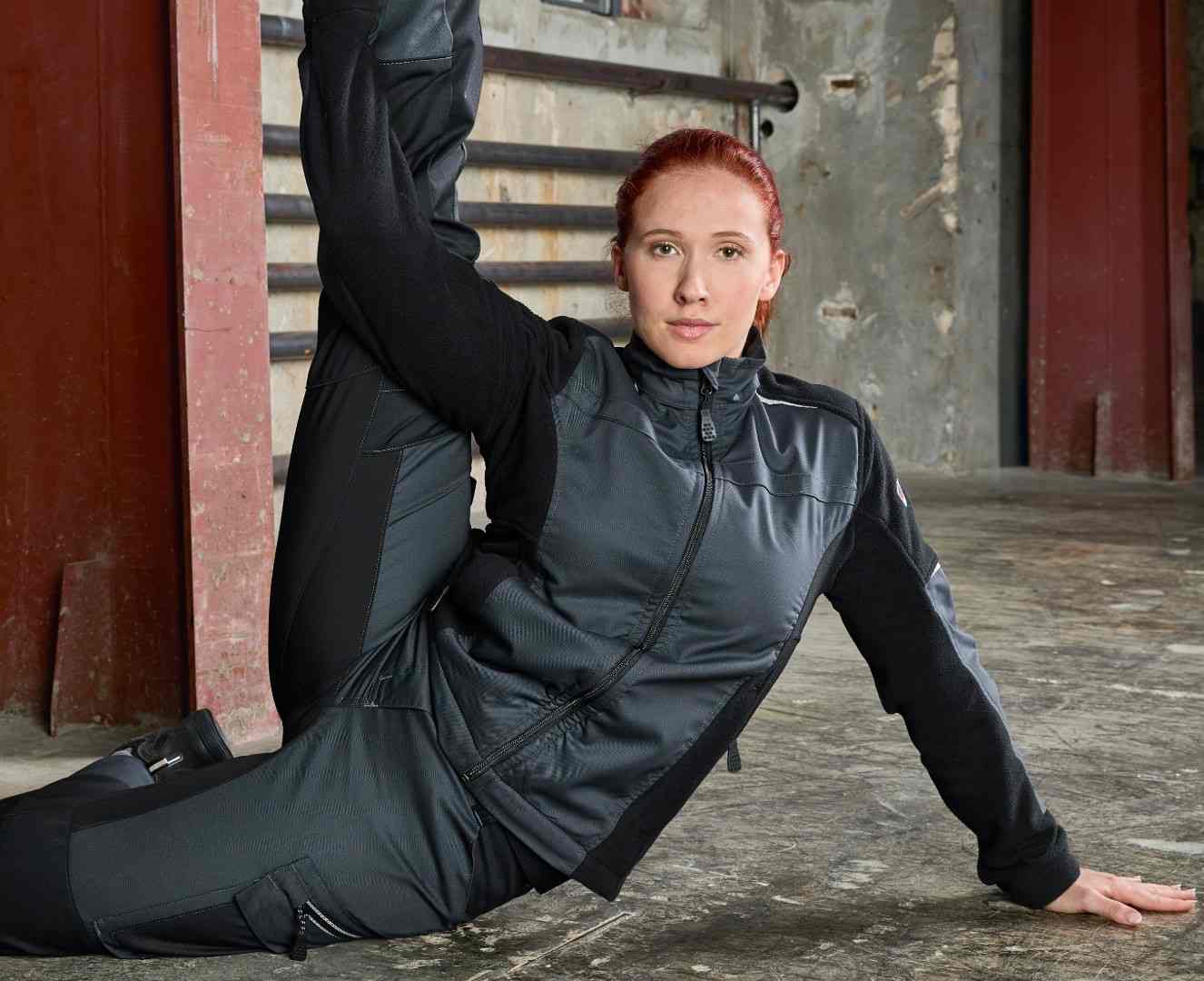
A gymnast in BP® workwear stretches her leg upwards.

Workwear for trades and industry

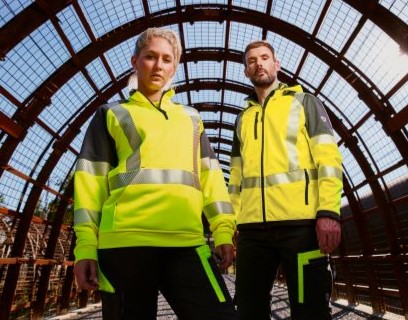
Two industrial workers. A woman and a man in neon yellow hivis warning clothing

High-visibility protective clothing (Hi-Vis PPE)

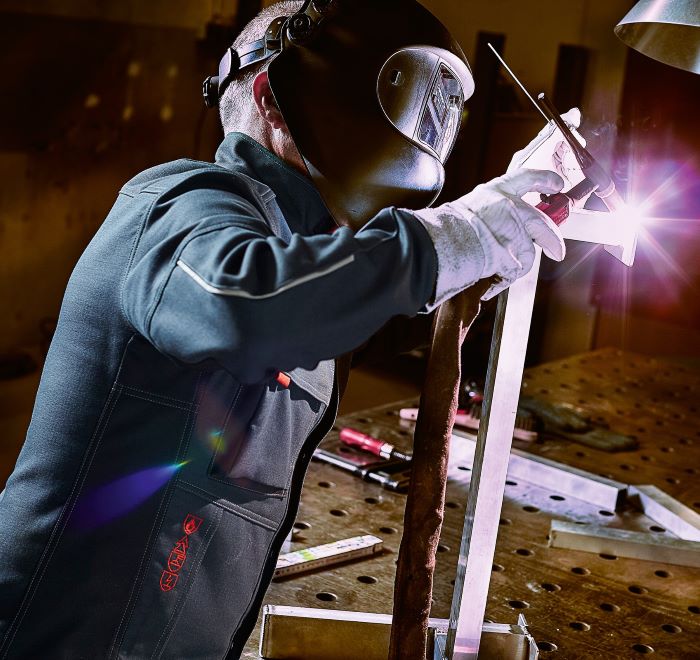
Welder in protective clothing welding iron.

Welding protective clothing (PPE)

Thumbnail 0

What is uniform (service clothing)?

Uniform (service clothing) is a specific type of occupational clothing that certain professional groups are required to wear while on duty. It ensures recognizability, representation and a uniform appearance for a profession or organization.


Key features of uniforms (service clothing):

  • Mandatory: Wearing it is often regulated by internal rules or by law.
  • Clearly identifiable: It shows affiliation with a specific institution, authority or organization.
  • Uniform: It is usually provided centrally by the employer and follows a defined design.


Examples of uniforms (service clothing):

  • Uniforms: police, fire brigade, military, security services
  • Public services: postal or railway staff
  • Healthcare: nursing or hospital clothing
  • Aviation: pilot and cabin crew uniforms

Difference from workwear and occupational clothing:

  • Workwear is primarily intended for protection and functionality. It is generally worn at work to protect everyday clothing or to meet specific job requirements. Examples include work trousers, a scrub top (kasack) or a coverall.  
  • Occupational clothing includes all garments that are typical for a particular profession. Examples include the characteristic outfits of painters, bakers or chefs.
  • Uniform (service clothing) is usually a prescribed, standardized uniform that provides representation and recognizability.
Thumbnail 1
Thumbnail 2
Thumbnail 3
Thumbnail 4
Thumbnail 5
Thumbnail 6
Any questions?
Do you still have questions about the safe, standard-compliant use of personal protective equipment (PPE)? Then get in touch with our experts.
CONTACT US
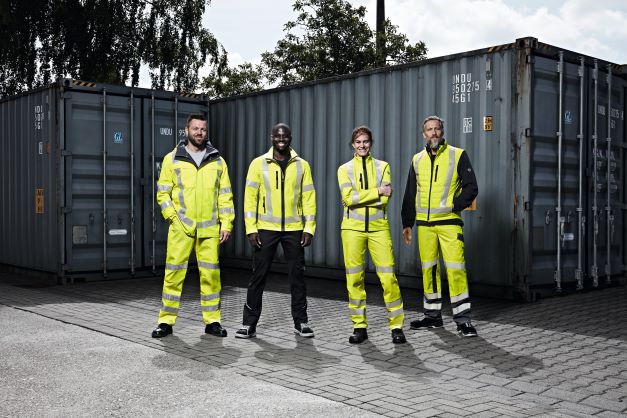
Three men and one woman are wearing neon yellow PPE and are in a recycling centre.