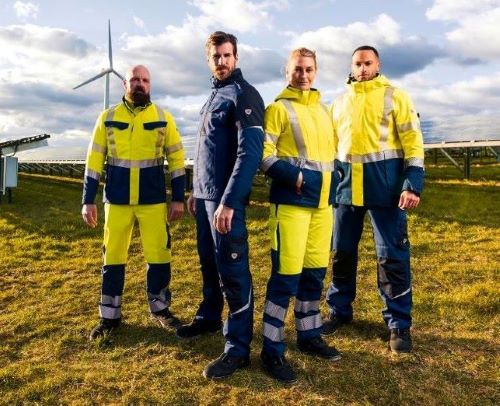
PROTECTIVE CLOTHING (PSA) - WHICH STANDARDS ARE IMPORTANT?
Are you a safety professional or safety officer in a company looking to gain a deeper understanding of protective clothing (PPE) and the associated standards?
Then you’re in exactly the right place! As a manufacturer of PPE and protective clothing, we deal daily with current standards and regulations. One major topic for us as a PPE manufacturer is changes to standards. As a producer, we face these standards, their changes, and interpretations with every certification and re-certification process.
This is always a challenge, since each testing institute works differently and sometimes interprets the standards differently as well. Of course, our customers can always be sure that the delivered items comply with the standards. We, as a manufacturer, also require confirmation of this compliance from our suppliers.
Below, we’ve created an overview of all the standards that are important in our area of protective clothing (“DIN workwear”). Since these are shortened summaries of binding occupational safety standards, this post does not claim to reproduce all the requirements defined in the standards in full. Although this post is regularly reviewed by our experts, we do not guarantee the accuracy or completeness of the information.
.jpg?ts=1745392736)
.jpg?ts=1745392583)
.jpg?ts=1745392537)
.jpg?ts=1745392549)
.jpg?ts=1745392563)
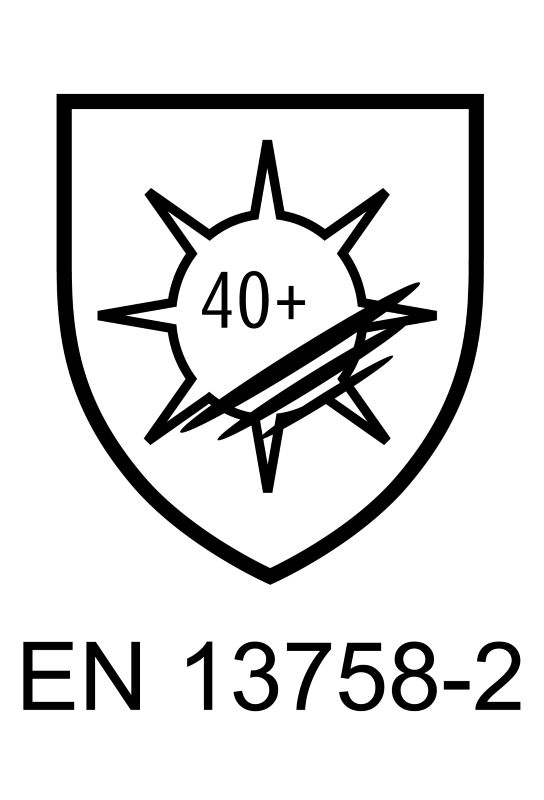

.jpg?ts=1745392597)
.jpg?ts=1745392618)

.jpg?ts=1745392721)
Additional Standards for Protective Clothing
In our standards guide, we specifically cover the standards that are relevant for our protective clothing. In this context, it’s also important to mention the PPE Regulation (EU) 2016/425, which consolidates all the requirements that must be met for the manufacturing and provision of PPE.
However, there are other relevant standards for protective clothing that we don’t want to withhold from you:
- EN 342 – Protective clothing against cold (for temperatures below -5 °C).
- EN 469 – Protective clothing for firefighters.
- EN 1073-2 – Protective clothing against radioactive contamination.
- EN 14605 – Protective clothing against liquid chemicals. Requirements for liquid-tight (Type 3) and spray-tight (Type 4) chemical protective suits.
- EN ISO 11393 – Protective clothing for users of hand-held chainsaws. Successor or replacement for parts of EN 381, with specific cut-protection requirements.
- EN ISO 20345 / EN ISO 20346 / EN ISO 20347 – Safety, protective, and occupational footwear.
The selection of relevant standards depends heavily on the specific working conditions and hazards. A thorough risk assessment is therefore essential to choose the appropriate protective clothing in line with the applicable standards.
Was bedeutet Multinorm?
Im Bereich Schutzkleidung und PSA stößt man immer wieder auf den Begriff "Multinorm" bzw. "Multinorm-Schutzkleidung". Multinormkleidung entspricht immer mehreren Normen, die sich mit dem Arbeiten unter gefährlichen oder extremen Bedingungen befassen.
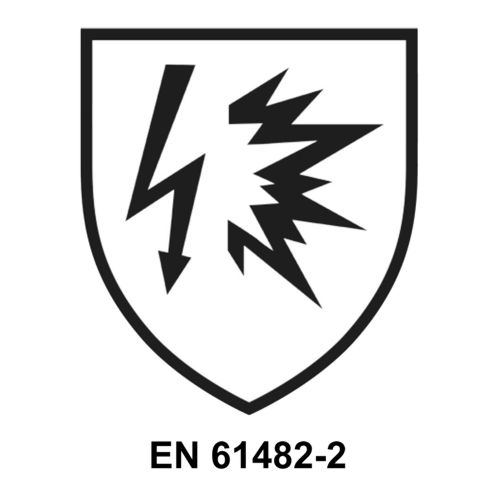
Die einzelnen Kleidungsstücke können prinzipiell nur einer Norm oder einer Mehrzahl von Normen entsprechen. So umfasst Multinorm-Warnschutzkleidung beispielsweise neun verschiedene Normen (EN 343, EN 1149-5, EN 11611, EN 11612, EN 13034-6, EN 14058, EN 14404, EN 61482-2, EN ISO 20471).